
5 Smart Ways to Foster Collaboration Across Multiple Time Zones
May 23, 2026



Building effective teams across different continents requires new approaches, especially when live calls are not possible. Rely on systems that support quick communication through text and shared documents to maintain momentum. Set clear expectations, develop a reliable reference hub, and organize schedules thoughtfully to make sure everyone stays on the same page. Pay attention to cultural details and use visible work boards to provide extra context when face-to-face meetings aren’t an option. By following five practical methods, you can keep projects running smoothly, even if team members check in at different times throughout the day.
This guide digs into each tactic with tips you can try right now. Skip long video sessions. Turn to fast, written updates and structured resources. You’ll find step-by-step advice, real tool examples and a path toward seamless output. Read on to set global work in motion.
Written guidelines reduce confusion when teammates send messages across time zones. Create a short handbook that spells out where to post project updates, how to flag urgent issues and when to expect responses. Keep rules simple so everyone can follow them without extra training.
Enforce consistency. If one person sends a quick note in the wrong channel, team members might miss it. Train new hires on this system. Link the handbook in every workspace. Repeat reminders during onboarding calls or via newsletters. Over time, the protocol will become second nature.
Central hubs cut down on repeated questions and wasted time. Store key details on processes, policies and project plans in one place. Choose a wiki or documentation platform. Make it searchable and easy to navigate. Assign one person to review and refresh content weekly.
Readability matters. Use bullet lists, short headings and clear labels. If a process changes, update the page immediately. Encourage everyone to suggest edits via comments or pull requests. A living knowledge base saves hours every week and keeps standards high across regions.
Even if you skip real-time discussions most of the time, some alignment sessions still make sense. Use tools like the world clock or calendar add-ons that show multiple zones at a glance. Pick meeting slots that distribute inconvenience fairly across locations. Rotate times if you host anything weekly.
When you book a session, include local times in the invite text. Note each region’s date and hour explicitly. If someone can’t attend, record transcripts or audio summaries. Share them in the same channel where discussions happen, along with key takeaways and next steps.
Written words lack tone and body language. Build context by encouraging team members to share quick cultural briefs or “fun fact” posts in a common space. Small personal insights—like local holidays or typical office hours—help reduce misinterpretation.
Create a shared calendar of regional events, public holidays and major festivals. When you plan a deadline, check that list so no one juggles work and local celebrations. Offer a rotating spotlight in your newsletter where each person highlights a tradition or regional custom. That fills in context when you can’t meet face-to-face.
Visual workflows keep everyone on the same page. Set up boards in Trello or maps in Miro that show project stages and task owners. Make each card or sticky note detailed: include a brief description, due date and attachments. Invite comments directly on the card to centralize feedback.
Link tasks back to your knowledge base or communication channels. When someone updates a card, the system sends a notification to relevant collaborators. That way, everyone sees progress in real time and no one wonders who is responsible for the next step.
Implement these tactics gradually, beginning with clear messaging rules and expanding your reference hub. Using shared boards and refining scheduling will improve coordination without extra meetings. These simple steps help keep work moving smoothly across different time zones.

Clear and effective performance reviews help remote teams stay aligned and productive. With a well-organized process, team members receive the feedback they need without...
Apr 18, 2026

Teams working in sales roles across multiple locations sometimes face feelings of isolation and confusion about their responsibilities. When communication breaks down,...
Jul 01, 2026
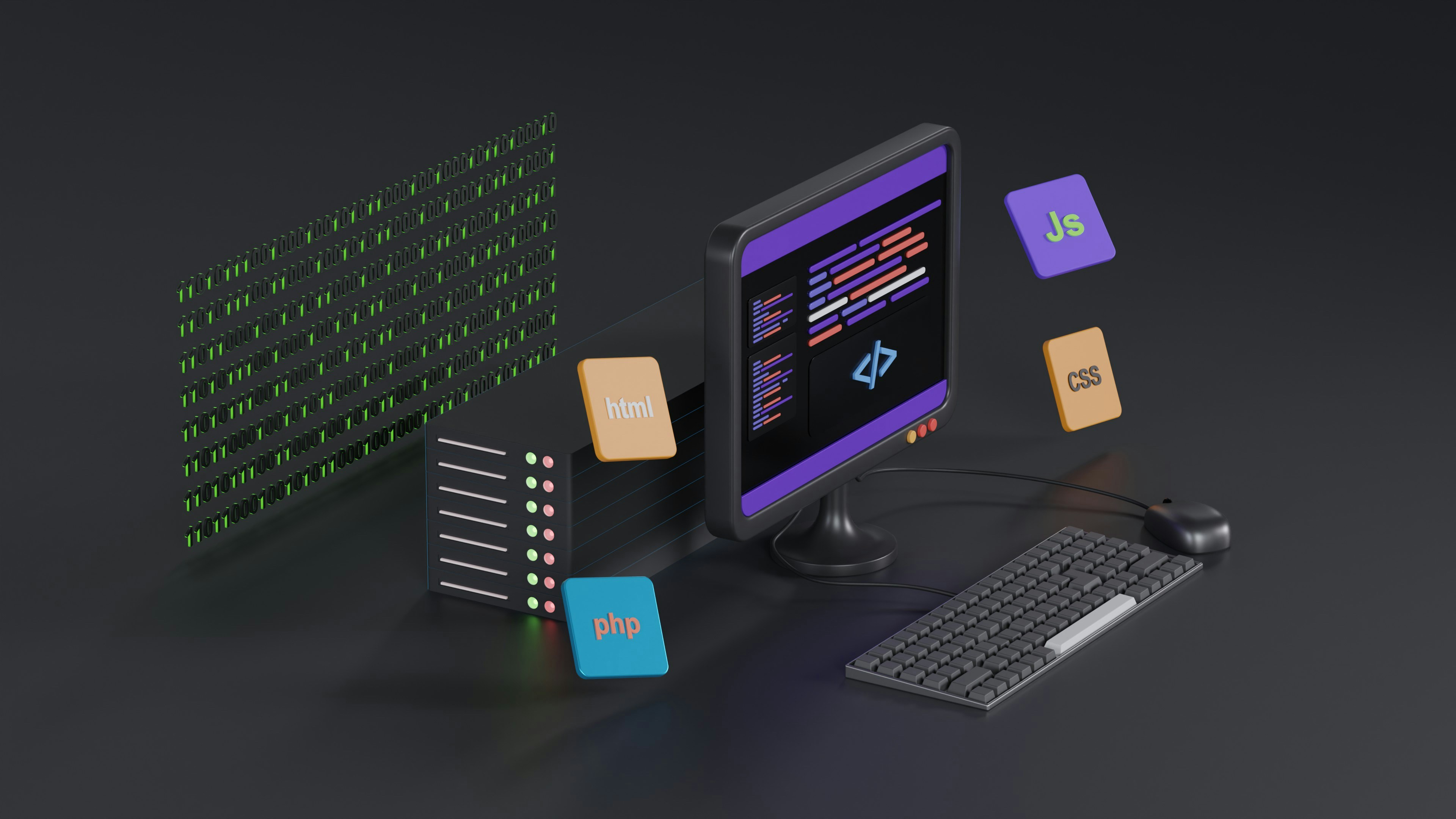
Remote teams often deal with disjointed apps and tedious manual handoffs, which can delay projects and lead to missed deadlines. Bringing everything together becomes...
Jun 15, 2026

Many teams find that traditional performance reviews fail to capture the realities of modern work, especially when colleagues operate from different locations and time...
May 19, 2026

Building a franchise without relying on a central office involves creating processes that work seamlessly in a variety of environments, such as homes, co-working...
May 27, 2026

Global teams often run into challenges when they try to share and update code together. Using a reliable version control system helps everyone stay organized by making...
Jul 29, 2026

Building a reliable distributed tech stack allows teams in various locations to integrate their applications smoothly. This guide breaks down each step, from initial...
Jun 10, 2026

Creating genuine connections in virtual environments requires thoughtful preparation and a welcoming atmosphere. A well-structured approach helps people relax and...
Apr 15, 2026
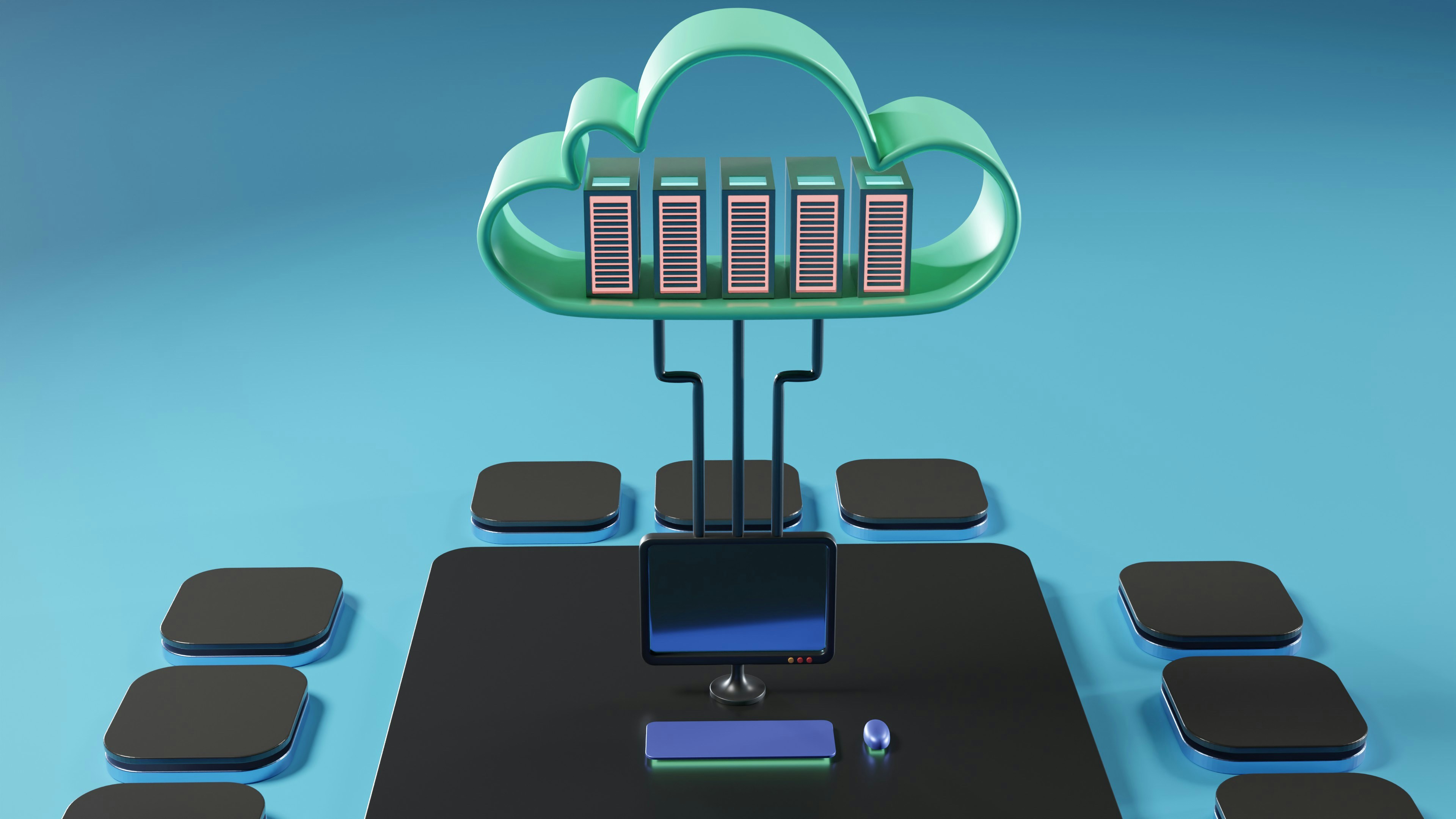
People rely on cloud storage to keep files accessible and up to date on any device. Whether working from a home office or catching up at a local café, users can open,...
Jul 21, 2026

Successful project funding across international borders calls for thoughtful planning and persistence. Grants and microloans offer valuable resources that can help bring...
Jul 05, 2026
Verifying identities remotely often slows down productivity, especially when team members work from different locations. Quick and reliable login processes help everyone...
May 12, 2026

Working from different cities calls for dependable ways to exchange files and keep information safe. Cloud platforms make it possible for people to collaborate from...
Jun 21, 2026

Teams working remotely often manage a mix of time zones, various digital tools, and dispersed workspaces, which can make the hiring process feel challenging and slow....
Jun 24, 2026

Launching a business while on the move brings a distinct set of hurdles. You must manage changing time zones, unpredictable internet connections, and clients whose needs...
Apr 22, 2026