
How to Optimize Distributed Tech Stacks for Seamless App Integration
Jun 10, 2026



Building a company without a central office calls for new ways of working together. Teams located in different time zones rely on well-defined goals, dependable technology, and regular, open communication to stay connected. Clear expectations help everyone move in the same direction, while strong digital tools make collaboration possible no matter where people are based. Honest check-ins encourage transparency and ensure that small issues do not become major setbacks. Careful planning keeps projects running smoothly and helps the business expand efficiently, allowing team members to make the most of their time and keep progress steady.
Here are seven focused ways to make sure your team expands smoothly. Each step gives concrete actions you can apply right now.
Begin by outlining what success looks like. Clear targets guide every hire, tool purchase, and process change. That focus prevents drift.
Review these goals weekly. Keep the team informed through a shared dashboard or a simple spreadsheet. Consistent updates help you spot obstacles quickly.
Select online platforms that grow with your company. Look for tools with flexible user limits and reliable uptime. Test each option before making a commitment.
Create a central repository for files and templates. Tools like Google Drive or Dropbox work well. Keep folder structures consistent so everyone finds what they need easily.
Set clear access rules. Grant view or edit rights based on roles. That prevents accidental deletions and keeps sensitive data safe.
Simplify how your team communicates. Using too many apps creates confusion. Choose a few and stick with them.
Encourage short daily check-ins. A quick written round-robin helps identify blockers early. Keep logs so team members who are absent stay up to date.
Growth can put strain on relationships. Schedule regular virtual social events. Coffee chats or game hours work well.
Create informal online spaces. A #watercooler channel on your chat platform allows team members to share news, memes, or weekend plans. That builds camaraderie.
Recognize achievements publicly. A shout-out in your team call or chat channel boosts morale. Sending personal notes privately demonstrates you care.
Track expenses in real time. Use a tool that connects with your bank accounts. Tag costs by project, region, or department.
Stay compliant with local laws. Hire a consultant or use online services that manage tax filings and payroll rules in multiple countries.
Review budgets monthly. Compare actual expenses to forecasts. Make adjustments immediately if numbers drift.
Don’t restrict your hiring to specific locations. Broaden your search to discover hidden skills and diverse perspectives. Post openings on multiple job boards.
Assess candidates for self-motivation and communication skills. Use a video task or a writing sample to evaluate their fit with your team.
Create a straightforward onboarding guide. Include company background, key contacts, and tool tutorials. A clear starting page reduces confusion for new team members.
Set metrics aligned with your goals. Sales growth, customer satisfaction, or code commits are all relevant. Limit yourself to five key indicators.
Automate data collection. Dashboards in Tableau or Google Data Studio update metrics in real time. Share a link with your team.
Review these metrics monthly. Discuss what worked, what didn’t, and next steps. This process ensures everyone stays focused on priorities and progress.
Expanding without a physical office is possible with a clear plan, reliable tools, and open communication. Follow these steps to grow your business confidently.

Working with colleagues in different time zones brings unique challenges, but it does not have to slow progress. By using clear communication, careful planning, and...
May 23, 2026

Building a franchise without relying on a central office involves creating processes that work seamlessly in a variety of environments, such as homes, co-working...
May 27, 2026

Working with colleagues across different time zones brings unique hurdles, especially when unexpected issues arise and require immediate responses. When a technical...
Mar 17, 2026

Many teams find that traditional performance reviews fail to capture the realities of modern work, especially when colleagues operate from different locations and time...
May 19, 2026

Remote teams often deal with disjointed apps and tedious manual handoffs, which can delay projects and lead to missed deadlines. Bringing everything together becomes...
Jun 15, 2026

Remote teams often manage conversations, video meetings, and document sharing across several platforms each day. Linking a virtual office platform with cloud storage...
Mar 11, 2026
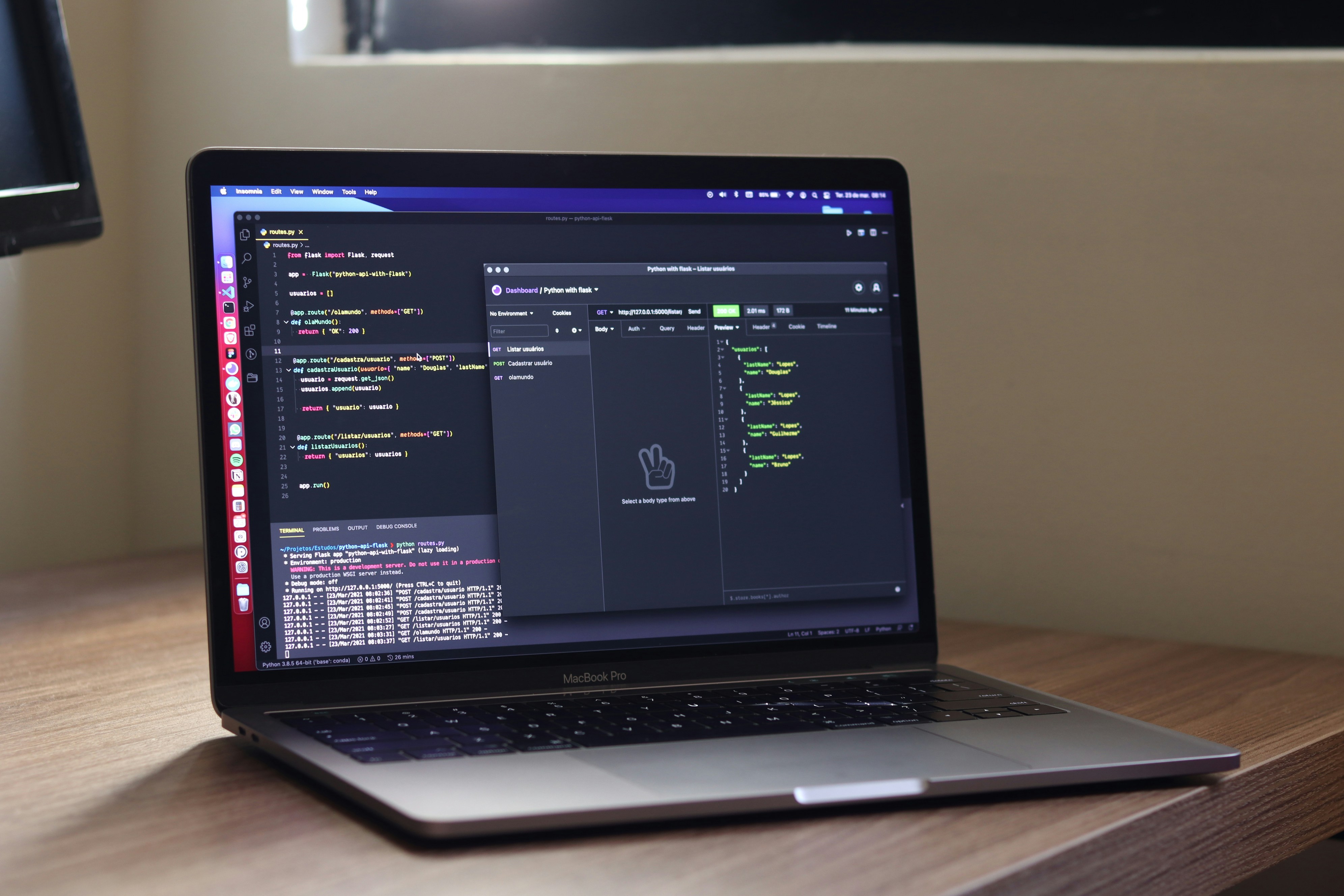
Teams often rely on APIs to link systems, share data, and bridge users across different locations. When groups operate from separate places, keeping these connections...
May 09, 2026

Collaboration across multiple time zones often creates difficulties for teams who need to keep their code up to date and free from conflicts. Developers working remotely...
Mar 04, 2026

Creating genuine connections in virtual environments requires thoughtful preparation and a welcoming atmosphere. A well-structured approach helps people relax and...
Apr 15, 2026

Clear organization and dependable systems make it possible to handle royalties and licensing payments from any location. Begin by outlining every stage involved in...
May 02, 2026

Building a franchise that operates entirely online offers a fresh path for those interested in launching a business. By removing the need for physical locations, you can...
Mar 20, 2026

Reliable system health matters, even when you manage everything remotely. Staying informed about the condition of your servers, applications, and networks keeps downtime...
May 07, 2026

Managing funding applications demands careful handling of sensitive documents, strict attention to deadlines, and thorough compliance checks. Disorganized workflows...
Jun 06, 2026

Verifying identities remotely often slows down productivity, especially when team members work from different locations. Quick and reliable login processes help everyone...
May 12, 2026