
The Most Effective Platforms for Managing Multiple Income Streams
Jul 10, 2026



Teams often face challenges when handling invoices and monitoring payments, especially when members work from different locations. Paper-based processes and manual spreadsheets can make simple tasks take much longer than necessary. By using smart tools, teams can automate routine work, receive timely reminders, and keep all financial information in one place. These solutions operate seamlessly through a web browser or mobile app, making it easier for everyone to stay organized and on top of payments without unnecessary delays or confusion.
Streamlined billing keeps cash flowing and cuts down on errors. The right tool tightens approval processes, matches payments to invoices, and offers clear insights into outstanding balances. Let’s explore how modern platforms simplify billing for teams that work wherever they are.
Automated reminders and scheduled invoices shorten the time between issuing a bill and receiving payment. Without manual follow-ups, teams save hours each week and keep cash flow steady. That predictability helps plan projects and respond quickly to unexpected expenses.
Real-time dashboards show which clients paid, which invoices remain open, and which payments bounced. Access to up-to-the-minute data allows managers to spot slow payers, adjust terms, or send gentle nudges. Financial reports generate at the click of a button, replacing error-prone spreadsheets.
Look for tools with data encryption at rest and in transit. Secure sockets layer (SSL) guarantees that bank details travel over protected channels. Two-factor authentication adds another layer of security, preventing unauthorized access even if someone steals a password.
Compliance features like GDPR consent records and GST/VAT reporting reduce audit headaches. Some platforms automatically calculate tax based on client location, generating tax summaries for each filing period. That automation helps prevent costly mistakes when international clients come into play.
Connecting billing tools to communication platforms improves team visibility. For example, setting up Slack alerts for overdue invoices encourages everyone to chase payments. Linking to project trackers like Asana or Trello ties billing milestones to deliverables, so projects only advance after approval and deposit.
Integration with cloud storage services backs up all invoices and receipts securely. When each document uploads automatically to a shared folder, finance and project leads find files in seconds. That shared space reduces email clutter and ensures audit-ready records.
Select the right billing solution to simplify invoicing. Automated reminders, secure systems, and smooth integrations speed up payments and reduce issues.

Launching a business while on the move brings a distinct set of hurdles. You must manage changing time zones, unpredictable internet connections, and clients whose needs...
Apr 22, 2026

Handling payroll for teams in multiple countries demands careful attention to detail. You face challenges like fluctuating exchange rates, diverse local regulations, and...
Apr 25, 2026
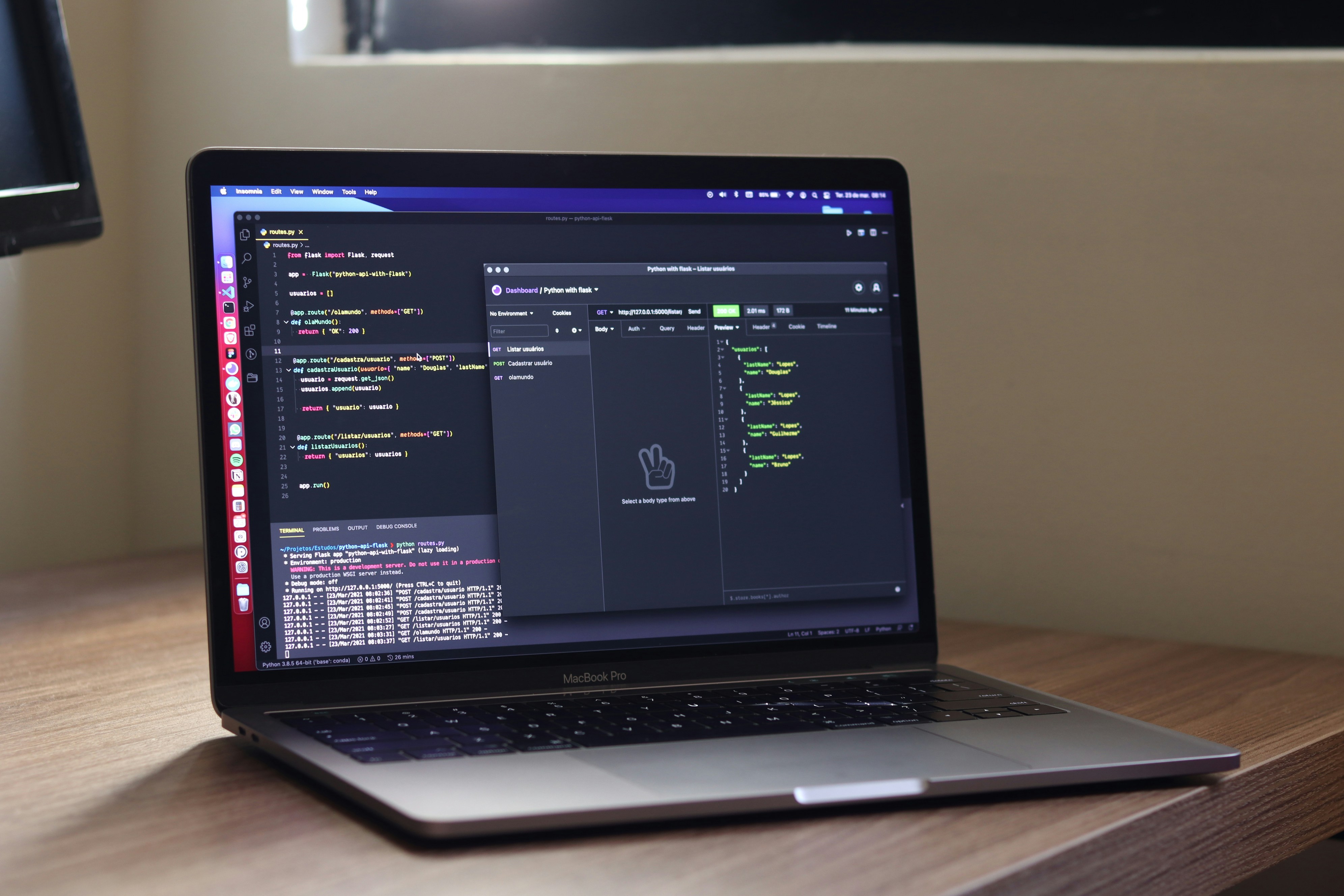
Teams often rely on APIs to link systems, share data, and bridge users across different locations. When groups operate from separate places, keeping these connections...
May 09, 2026

Clear organization and dependable systems make it possible to handle royalties and licensing payments from any location. Begin by outlining every stage involved in...
May 02, 2026

Teams working remotely often manage a mix of time zones, various digital tools, and dispersed workspaces, which can make the hiring process feel challenging and slow....
Jun 24, 2026

Building a reliable distributed tech stack allows teams in various locations to integrate their applications smoothly. This guide breaks down each step, from initial...
Jun 10, 2026

Many teams find that traditional performance reviews fail to capture the realities of modern work, especially when colleagues operate from different locations and time...
May 19, 2026

Managing numerous devices in a home office or across different locations often becomes overwhelming. Automation takes over by performing regular checks on laptops,...
Jul 24, 2026

Successful project funding across international borders calls for thoughtful planning and persistence. Grants and microloans offer valuable resources that can help bring...
Jul 05, 2026
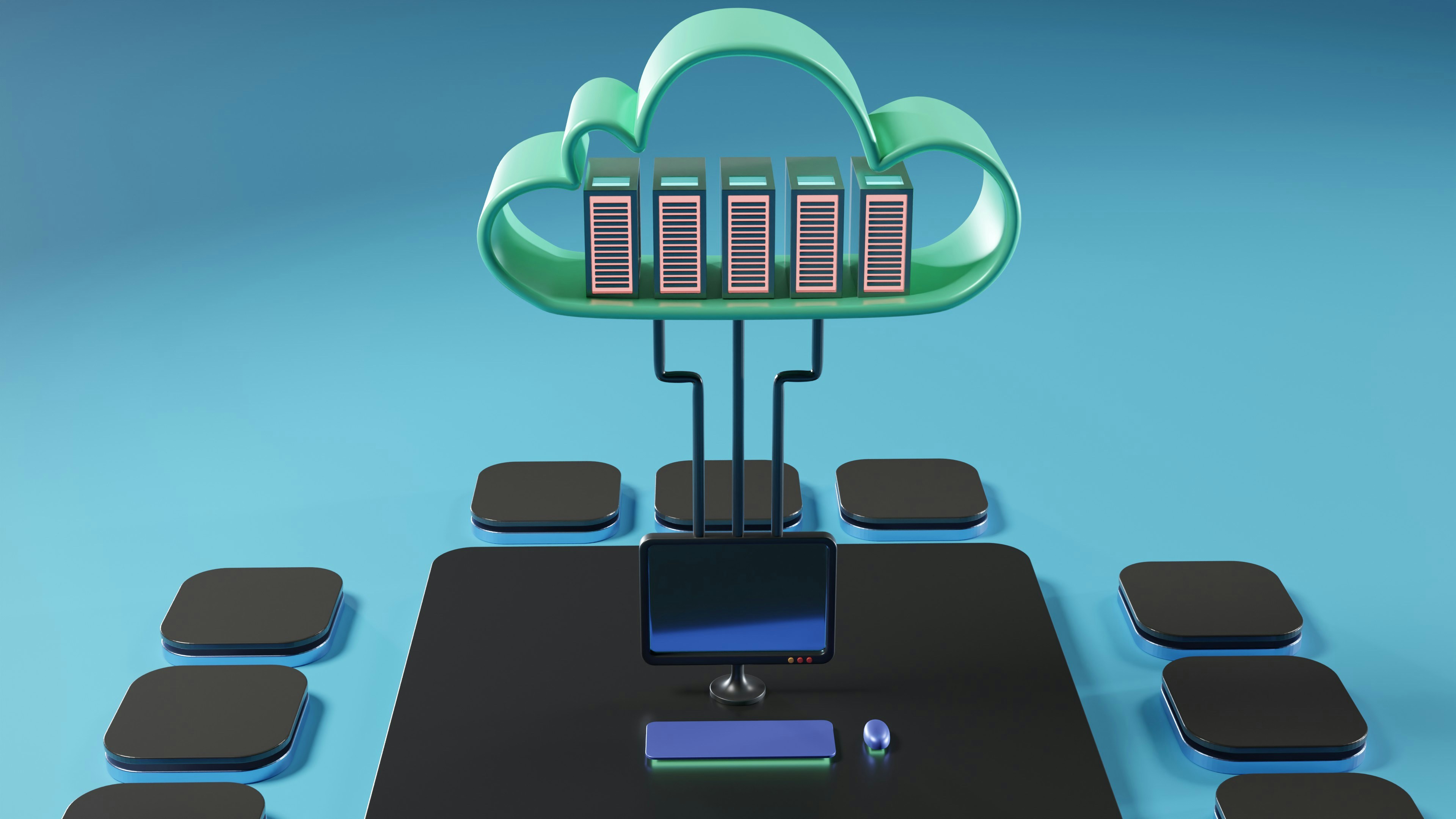
People rely on cloud storage to keep files accessible and up to date on any device. Whether working from a home office or catching up at a local café, users can open,...
Jul 21, 2026

Clear and effective performance reviews help remote teams stay aligned and productive. With a well-organized process, team members receive the feedback they need without...
Apr 18, 2026

Remote work opens the door to flexible routines, but it also demands reliable tools for keeping projects organized and communication clear. Choosing effective mobile...
Apr 03, 2026

Teams working in sales roles across multiple locations sometimes face feelings of isolation and confusion about their responsibilities. When communication breaks down,...
Jul 01, 2026

Handling expenses in multiple currencies often brings unexpected challenges, especially as exchange rates change from day to day. You may swipe your card for coffee in...
Jun 02, 2026