
How to Optimize Distributed Tech Stacks for Seamless App Integration
Jun 10, 2026



Working with colleagues across different time zones brings unique hurdles, especially when unexpected issues arise and require immediate responses. When a technical problem or major market change occurs, remote team members may experience a sense of isolation if they lack clear guidance. Establishing well-defined action steps and assigning responsibilities before emergencies happen helps everyone stay composed and coordinated. This guide presents a straightforward approach to getting ready, managing incidents, and assessing outcomes. You will find practical examples drawn from real situations, designed to suit teams spread out in home offices or sharing co-working spaces, making complex challenges easier to handle together.
Readers will find checklists, tool tips, and practices proven in companies with hundreds of staff in multiple countries. Each section stays focused on plain directions and real numbers, such as cutting incident response time by 40% in under three months. You’ll see how to set up a standard plan, choose the right channels, train teams with practice runs, and collect honest feedback to sharpen future efforts.
Every crisis plan must start with clear purpose. Define the scenarios that matter: data loss, service outages, severe weather, cyber breaches, or health emergencies. List each scenario with a one-line description and a worst-case impact rating on a scale from 1 to 5. This scale helps you decide where to focus resources first.
Team members need a shared understanding of key objectives. Aim for three main goals: fast reaction time, transparent updates, and a unified procedure. Set a target to send the first status update within 15 minutes of an incident report. Track progress using a simple dashboard that logs steps taken, time stamps, and next actions.
Remote teams succeed when they avoid duplicate work. A single playbook ensures everyone acts on the same page. Use color-coded labels—green for stable, yellow for caution, red for critical. Each label must match a clear set of actions without room for guesswork.
Publish the protocol in a format that’s easy to scan on a mobile device. A plain-text summary works well alongside the full flowchart. Update the summary whenever you change one step. This habit reduces confusion and keeps everyone aligned, whether they see the full chart or only the quick guide.
A reliable line of contact guarantees that no one misses critical alerts. Teams using a single chat thread report decision-making 35% faster than those juggling multiple channels. Limit noise by muting non-crisis topics in the crisis channel. Keep it strictly for urgent messages and short polls.
Post regular bullet-point updates. Each message should include: current state, next action, and owner. This consistency eliminates ambiguity. Anyone joining mid-crisis can scroll up and instantly see what’s been done and what remains.
Automate alerting with simple scripts or built-in features in monitoring tools. Connect your uptime monitor to the chat platform via webhooks. One setup can trigger an alert, assign the on-call engineer, and start a timer for the first response.
Set up dashboards with key metrics—response time, resolution time, and downtime minutes. Share these routinely to improve performance. One group reduced average downtime from 60 to 30 minutes by reviewing the dashboard weekly and refining handoffs.
Use collaborative documents for live note-taking. Link to a shared file in every crisis channel. Assign one person to record decisions, one to update status, and one to tag next steps. This trio prevents overlap and ensures clear responsibility.
Run a mock data breach where one person emails a fake urgent alert. Observe who picks it up first and how quickly roles activate. Use a screen-recording tool to review the session. This process helps identify missed steps in the protocol.
Share a short report after each drill. Offer three points: a strength, a gap, and a fix. For example: “Communication remained clear, but we missed the escalation path. We’ll add a color-coded reminder banner to the protocol.” These quick wins generate momentum for real crises.
Teams that regularly update and practice their *playbook* handle crises faster. Keep the *playbook* a living document with clear protocols and routines to ensure effective team responses.
Remote teams often deal with disjointed apps and tedious manual handoffs, which can delay projects and lead to missed deadlines. Bringing everything together becomes...
Jun 15, 2026

Remote work opens the door to flexible routines, but it also demands reliable tools for keeping projects organized and communication clear. Choosing effective mobile...
Apr 03, 2026

Working with colleagues in different time zones brings unique challenges, but it does not have to slow progress. By using clear communication, careful planning, and...
May 23, 2026

Teams working in sales roles across multiple locations sometimes face feelings of isolation and confusion about their responsibilities. When communication breaks down,...
Jul 01, 2026
Verifying identities remotely often slows down productivity, especially when team members work from different locations. Quick and reliable login processes help everyone...
May 12, 2026

Creating genuine connections in virtual environments requires thoughtful preparation and a welcoming atmosphere. A well-structured approach helps people relax and...
Apr 15, 2026

Keeping your financial information secure involves much more than simply choosing a complex password. A multi-layered defense shields every transaction from potential...
Apr 29, 2026

Many teams find that traditional performance reviews fail to capture the realities of modern work, especially when colleagues operate from different locations and time...
May 19, 2026

Clear and effective performance reviews help remote teams stay aligned and productive. With a well-organized process, team members receive the feedback they need without...
Apr 18, 2026

Teams working remotely often manage a mix of time zones, various digital tools, and dispersed workspaces, which can make the hiring process feel challenging and slow....
Jun 24, 2026
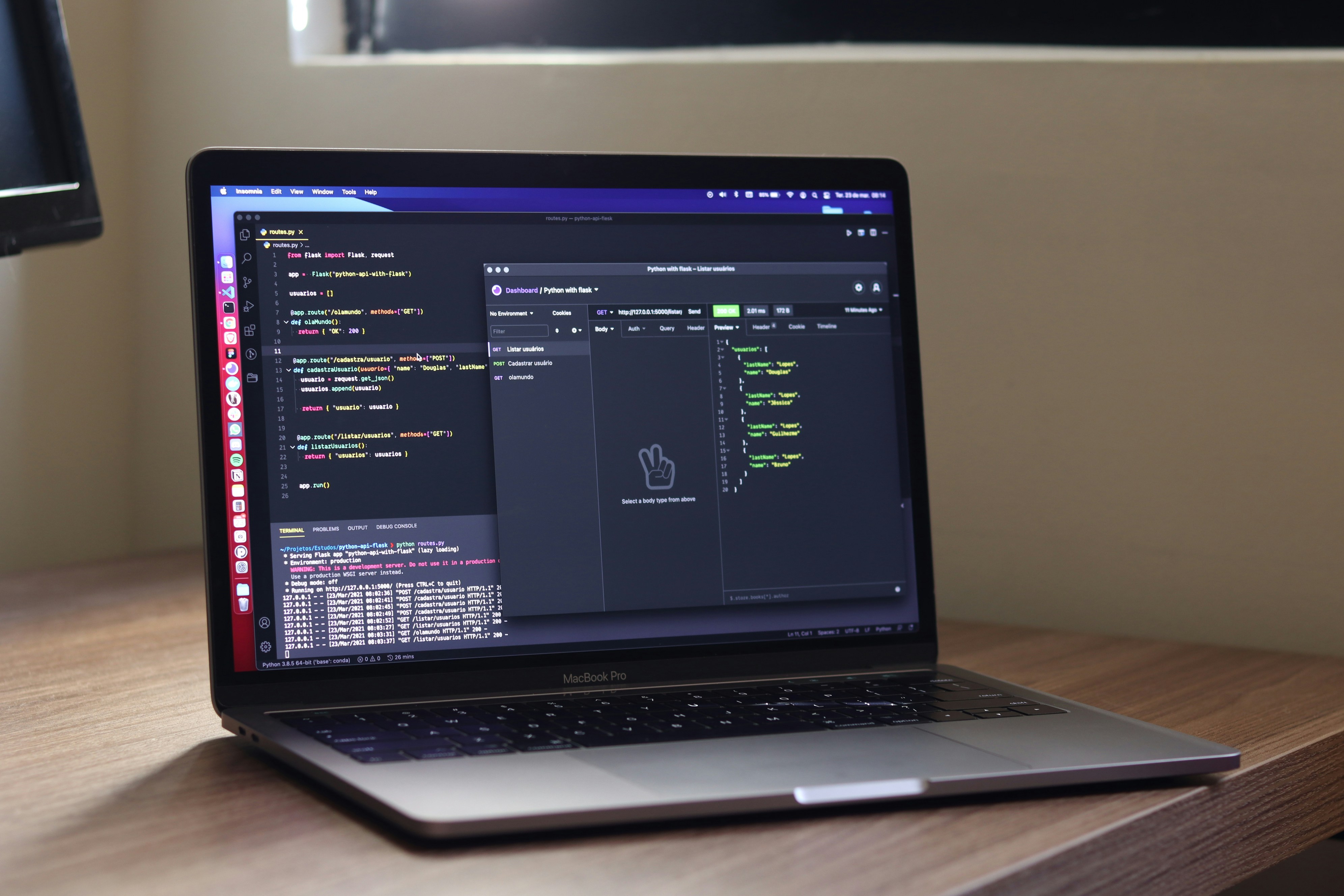
Teams often rely on APIs to link systems, share data, and bridge users across different locations. When groups operate from separate places, keeping these connections...
May 09, 2026

Reliable system health matters, even when you manage everything remotely. Staying informed about the condition of your servers, applications, and networks keeps downtime...
May 07, 2026

Handling payroll for teams in multiple countries demands careful attention to detail. You face challenges like fluctuating exchange rates, diverse local regulations, and...
Apr 25, 2026

Managing funding applications demands careful handling of sensitive documents, strict attention to deadlines, and thorough compliance checks. Disorganized workflows...
Jun 06, 2026