
Best Practices for Managing Digital Franchises Without a Central Office
May 27, 2026



Teams working from different locations benefit when everyone has a clear plan and access to practical tools. Trying out new ideas with small, low-risk projects lets each member contribute without feeling overwhelmed. As people see their creative input receive recognition, their confidence grows. Setting straightforward goals, such as increasing customer satisfaction by a set percentage, helps focus the group’s efforts. Allocating a modest budget to these short-term tests allows teams to celebrate early achievements, gather valuable lessons from any setbacks, and expand on the ideas that show the most promise. This method encourages steady progress while supporting a spirit of creativity.
Set aside a small budget that individuals or small groups can tap into for rapid tests. Create a simple request process so people spend time on ideas instead of paperwork. When someone spots a gap in your user flow or a new social media angle, they apply for a micro-grant—say $200–$500—and report back within two weeks.
Guide teams on how to spend money wisely. For example:
Bring people together in focused sprints that run over 24–48 hours. Structure these events so every participant can join part of the hackathon within their normal workday. Use a clear agenda with checkpoints at key hours.
Follow these steps:
Choose one person each month to spotlight as an innovation champion. This role stays light: champions coordinate idea-sharing sessions, gather feedback, and celebrate small wins. By rotating the responsibility, you tap diverse mindsets while keeping engagement fresh.
Champions can host a quick 15-minute demo where they:
Collect case studies, sketches, videos, and articles in a single virtual space. Encourage team members to add items that sparked new ideas. Label each entry with a one-line takeaway—this keeps browsing fast and fun.
Tools like Miro or Trello work well. Organize content by topic:
Switch from static docs to live boards where people sketch ideas at their own pace. Invite contributors by sending board links in chat channels. Let everyone tag their sketches with notes or emoji reactions.
Follow this workflow:
Set up quick polls and one-click feedback buttons in your project tools. When someone finishes a draft or prototype, they hit “Ready for Review,” and colleagues can react with a star rating or thumbs-up. Track scores on a dashboard so you can identify patterns in the ideas that gain support.
Build this process:
Support personal skill development by offering small rewards—gift cards or next-day time off—for completing targeted courses or tutorials. For example, someone might finish a UX mini-course and then lead a 30-minute peer session to share key insights.
This approach promotes continuous growth. It also uncovers new perspectives on products and processes. Team members gain recognition, and new knowledge fuels your next batch of experiments.
Small actions lead to progress. A culture that encourages experiments, quick feedback, shared inspiration, and rotating roles helps remote teams overcome obstacles and achieve breakthroughs.

Clear and effective performance reviews help remote teams stay aligned and productive. With a well-organized process, team members receive the feedback they need without...
Apr 18, 2026

Many teams find that traditional performance reviews fail to capture the realities of modern work, especially when colleagues operate from different locations and time...
May 19, 2026

Successful project funding across international borders calls for thoughtful planning and persistence. Grants and microloans offer valuable resources that can help bring...
Jul 05, 2026

Building a company without a central office calls for new ways of working together. Teams located in different time zones rely on well-defined goals, dependable...
Jun 28, 2026

Teams working remotely often manage a mix of time zones, various digital tools, and dispersed workspaces, which can make the hiring process feel challenging and slow....
Jun 24, 2026

Teams working in sales roles across multiple locations sometimes face feelings of isolation and confusion about their responsibilities. When communication breaks down,...
Jul 01, 2026

Managing funding applications demands careful handling of sensitive documents, strict attention to deadlines, and thorough compliance checks. Disorganized workflows...
Jun 06, 2026

Working with colleagues across different time zones brings unique hurdles, especially when unexpected issues arise and require immediate responses. When a technical...
Mar 17, 2026
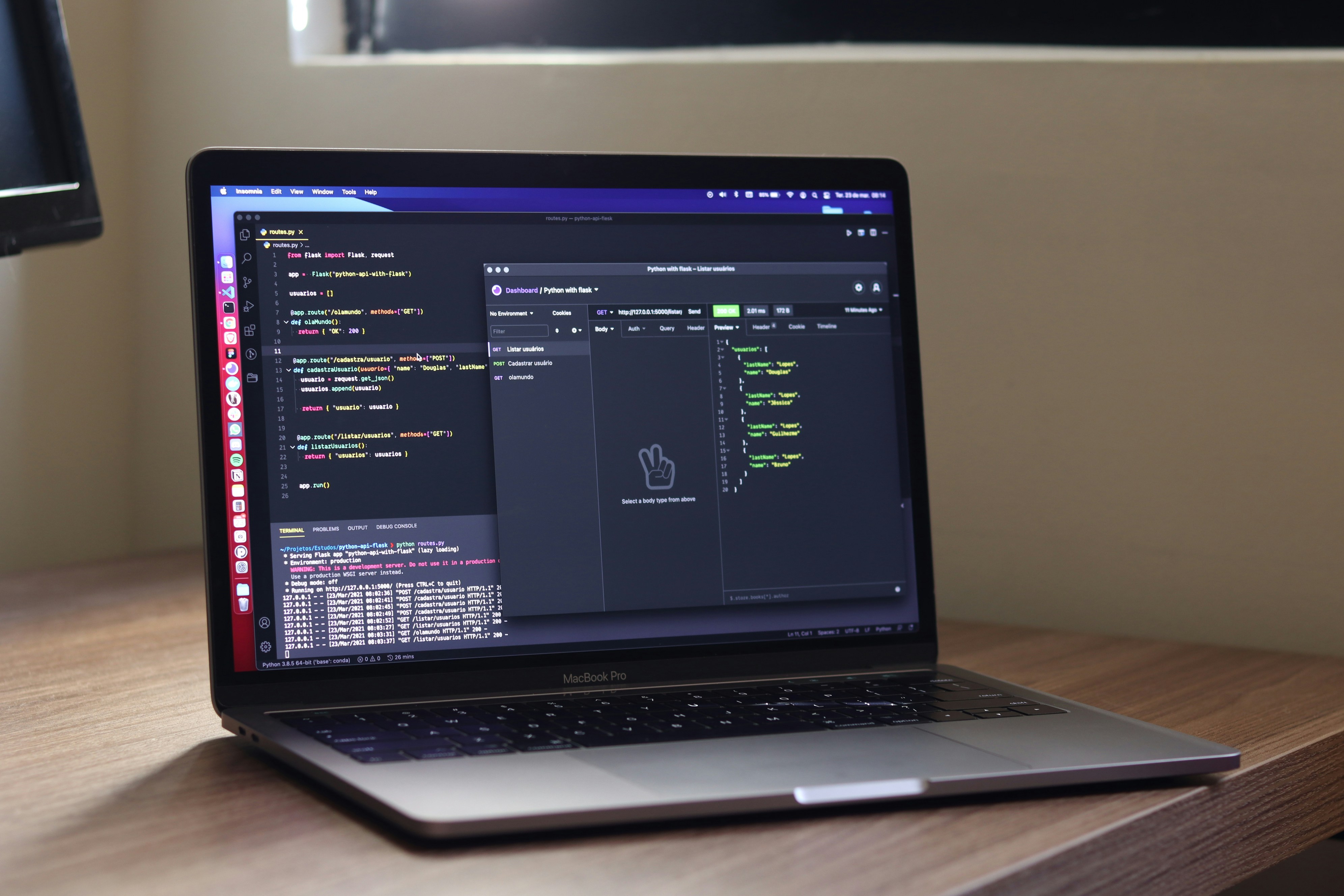
Teams often rely on APIs to link systems, share data, and bridge users across different locations. When groups operate from separate places, keeping these connections...
May 09, 2026

Managing a collection of devices spread across different sites often creates delays and confusion during projects. Cloud-based platforms make it much easier to update...
Apr 07, 2026

Building a franchise that operates entirely online offers a fresh path for those interested in launching a business. By removing the need for physical locations, you can...
Mar 20, 2026

Launching a business while on the move brings a distinct set of hurdles. You must manage changing time zones, unpredictable internet connections, and clients whose needs...
Apr 22, 2026

Teams often face challenges when handling invoices and monitoring payments, especially when members work from different locations. Paper-based processes and manual...
Mar 27, 2026

Handling payroll for teams in multiple countries demands careful attention to detail. You face challenges like fluctuating exchange rates, diverse local regulations, and...
Apr 25, 2026